Automotive · Buyer’s Guide
Your Complete Car Guide : Everything You Actually Need to Know Before You Buy, Drive, or Maintain One

Let’s be real for a second. Owning a car in today’s world is one of those things that feels completely straightforward until it suddenly isn’t. One moment you’re cruising down the highway feeling like you’ve got life figured out. The next, your check engine light is glowing like an angry little sun, your service advisor is throwing numbers at you, and you have absolutely no idea if you’re being taken for a ride — pun fully intended.
Whether you’re buying your first car, thinking about going electric, trying to understand why maintenance costs what it does, or just want to stop feeling clueless every time you walk into a dealership — this guide is for you. I’ve tried to write the guide I wish I’d had. No jargon avalanche. No corporate fluff. Just honest, practical stuff that actually helps.
So grab a coffee, settle in, and let’s talk cars.
Image placeholder: Wide shot of various car types on a modern road — SUV, sedan, hatchback, and EV side by side
alt=”Different types of cars parked side by side including SUV sedan hatchback and electric vehicle”
Why the Car You Drive Says More Than You Think
There’s an idea that’s been quietly disrupting the auto industry — and it came into sharp focus for me when I stumbled across a pitch from a young Indian startup called EaZi on Shark Tank India Season 2. The founder, Kalpit Patel, made a fascinating point that stuck with me:
“We all use a five or seven-seater SUV — a 1,500-kilogram vehicle — for daily errands. But the person inside is just 70 kilograms. One person.”
Think about that. We’ve built an entire culture around massive, powerful, feature-loaded cars for tasks that could genuinely be done in something a quarter of the size. It’s a bit like using a blowtorch to light a candle.
And that’s exactly the kind of rethink that’s happening globally right now. The car isn’t just a car anymore. It’s an extension of how you see yourself, how you use your time, and increasingly — how you think about the environment. So before we get into the nuts and bolts of buying or maintaining one, it helps to understand what you actually need from a car in the first place.
Ask Yourself These Questions First
- How many people regularly travel with me?
- What’s my average daily driving distance?
- Do I need highway range or mostly city driving?
- Am I looking for a first car or a second (daily-use) car?
- What’s my total budget — purchase price and running costs?
Answering these honestly will save you a lot of money and regret. Trust me on this one.
Beginner’s Guide: The Different Types of Cars Explained Simply
If you’ve ever looked at a car listing and felt overwhelmed by the categories — hatchback, sedan, crossover, SUV, MPV — you’re not alone. The auto industry loves acronyms almost as much as the finance industry does. Here’s a plain-English breakdown:
| Car Type | Best For | Watch Out For |
|---|---|---|
| Hatchback | City driving, parking ease, fuel efficiency | Limited boot space on long trips |
| Sedan | Highway comfort, family road trips, status | Tighter rear headroom, larger turning radius |
| SUV / Crossover | Families, rough roads, cargo space | Higher fuel consumption, parking in cities |
| MPV / Minivan | Large families, school runs, group travel | Boxy look, less sporty feel |
| Electric Vehicle (EV) ev ev | Lower running costs, eco-conscious driving | Charging infrastructure, higher upfront cost |
| Micro/City Car | Urban solo commuting, second car use | Limited range, highway comfort trade-offs |
The category you need almost always comes down to how and where you drive. A family living in a city with good roads doesn’t need the same car as someone living 40 km from the nearest petrol pump on a potholed state highway.
Image placeholder: Infographic showing car types with icons and brief descriptions
alt=”Infographic comparing car types hatchback sedan SUV EV and micro car”
The Honest Truth About Buying a Car
A friend of mine — let’s call him Rahul — spent four months researching cars before buying a well-known mid-size SUV. He compared specs, watched YouTube reviews, read forums, test-drove three models. He bought the car he “logically” chose. Six months later, he told me with a slightly defeated look: “I drive to the office alone, 12 kilometres each way, five days a week. I have a 7-seater SUV. What was I thinking?”
The car was beautiful. The EMI, the fuel bill, and the parking stress? Not so much.
That story is more common than you’d think. The car buying process has a way of making you fall in love with features you’ll never use, powered by very effective marketing. So here’s what actually matters when you’re at the dealership — or scrolling through listings online at 11 PM:
1. Total Cost of Ownership, Not Just Sticker Price
The price tag on a car is just the beginning. What you really need to calculate is what the car will cost you over time. That includes:
- Fuel or electricity costs per kilometre
- Annual servicing and maintenance
- Insurance premiums (which vary wildly by model)
- Depreciation — how much value it loses each year
- Loan interest if you’re financing it
A ₹6 lakh petrol hatchback might actually cost less per year than a ₹4.5 lakh variant that guzzles fuel and has expensive spare parts. Do the maths before you fall for the price alone.
2. Resale Value Matters More Than People Admit
Indian car buyers, especially, underestimate resale value. Brands like Maruti Suzuki and Hyundai hold their value remarkably well. Others depreciate faster than a phone left in a monsoon. If you’re likely to upgrade in three to five years, the resale value of your current car is essentially a chunk of your next car’s budget.
3. Test Drive Like You Mean It
Too many people test drive for 10 minutes on a smooth road outside the showroom. Test drive on roads you actually use. Park it in a tight spot. Sit in the back seat. Put your bags in the boot. Use the infotainment system without looking at the manual. If it frustrates you in the showroom, it’ll frustrate you every single day.
Petrol, Diesel, or Electric — What Should You Actually Choose?
This is genuinely one of the most common questions I get, and it doesn’t have a one-size-fits-all answer. Let me break it down honestly:
Petrol
Still the most sensible option for most urban buyers driving under 60–70 km a day. Lower upfront cost, widely available fuel, and simpler mechanics. The running cost per kilometre is higher than diesel or electric, but if your mileage is moderate, the savings don’t justify switching.
Diesel
Makes most sense if you’re clocking 20,000+ km a year, especially on highways. The fuel is more efficient and cheaper per litre in many regions. But diesel variants cost more upfront, and maintenance (particularly if the DPF filter needs attention) can get expensive. With tightening emission norms, diesel’s future in cities is also a bit uncertain.
Electric
This is where things get genuinely exciting — and genuinely complicated. Running an electric car costs a fraction of petrol or diesel. We’re talking as low as 50 paise per kilometre in some configurations, compared to ₹6–8 for a petrol car. But you need to think about:
- Do you have a charging point at home or your parking space?
- Is your city’s charging infrastructure reliable enough for your range anxiety?
- Are you okay with a higher purchase price that pays off over time?
If all three answers lean toward “yes,” electric is becoming a genuinely brilliant choice — especially for a second daily-use car. The technology is improving fast, and the economics are already compelling for high-mileage urban drivers.
Car Maintenance: What You Actually Need to Do (And What You’re Probably Skipping)
Image placeholder: Close-up of car engine bay during a service check
alt=”Car engine maintenance check with mechanic inspecting parts”
Let’s be honest — most of us treat car maintenance the same way we treat going to the dentist. We know we should do it. We keep putting it off. And then something expensive happens and we deeply regret our life choices.
Here’s the thing: regular maintenance genuinely saves you money. Not in a vague, theoretical way — in a very real, specific way where a ₹500 oil change prevents a ₹25,000 engine problem six months later.
The Non-Negotiables
- Engine oil change: Every 5,000–10,000 km depending on your car and oil type. Don’t skip this. Just don’t.
- Tyre pressure checks: Once a month, including the spare. Under-inflated tyres kill fuel efficiency and tyre life.
- Air filter: Dusty cities like Delhi, Mumbai, or Pune eat through these faster than the manual assumes.
- Brake pads: If you’re hearing a metallic squeal when braking, that sound is money leaving your wallet.
- Battery terminals: Corroded terminals are responsible for more “mystery” car problems than people realise.
Things People Chronically Ignore
- Cabin air filter (affects your AC performance and the air you breathe inside)
- Wheel alignment and balancing (saves tyres and fuel efficiency)
- Coolant level and condition
- Wiper blades — until the monsoon hits and you suddenly can’t see anything
You don’t need to be a mechanic to stay on top of this stuff. A simple reminder on your phone every 5,000 km and a quick visual check once a week goes a long way.
Pro Tips for Getting More Out of Your Car
Modern fuel-injected cars don’t need a long warm-up idle. Just drive gently for the first few minutes. This is gentler on the engine and saves fuel.
Try to stay between 1,500 and 2,500 RPM for city driving. Lugging the engine (too low RPM) and over-revving both wear it out faster.
I know, I know — nobody does this. But the 30 minutes you spend skimming the relevant sections will save you hours of guesswork and potentially thousands in incorrect servicing. Manufacturers specify things like recommended tyre pressure, oil grade, and service intervals for your specific car.
A tyre inflator, jumper cables, a torch, a basic first aid kit, and reflective triangles. Doesn’t take much space. Worth its weight in gold exactly when you don’t expect to need it.
When buying, always compare on-road prices (including registration, insurance, and accessories) across dealerships — not just the ex-showroom figure. A cheaper ex-showroom price with inflated “accessories” is a classic dealership trick.
Common Mistakes Car Owners Make (And How to Avoid Them)
As we talked about earlier — a 7-seater for a solo commuter is a genuinely expensive mistake. Be brutally honest about your real usage, not your aspirational usage.
Skipping a ₹3,000 service to save money is how you end up spending ₹40,000 six months later. The math doesn’t work in your favour here.
The cheapest comprehensive insurance may have a claim settlement ratio that makes it essentially useless when you actually need it. Check the insurer’s claim settlement percentage before buying.
Dealership margins on accessories (seat covers, floor mats, reverse parking sensors) are enormous. These are highly negotiable — always ask for them to be included, especially near month-end when sales targets are in play.
Worn-out tyres are genuinely dangerous. The legal and ethical minimum tread depth is 1.6mm, but real-world performance starts degrading significantly below 3mm. Check yours regularly — especially before monsoon season.
Stretching a car loan to 7 years to make the EMI comfortable means you’re paying a significant chunk in interest, and the car’s depreciation may outpace your loan paydown. Try to keep it under 5 years if possible.
The Rise of the Personal Mobility Vehicle — Where Cars Are Headed
Here’s something genuinely worth thinking about. The traditional car market is being disrupted from multiple angles simultaneously — electrification, software integration, shared mobility, and now the emergence of a category some are calling the Personal Mobility Vehicle (PMV).
The EaZi pitch I mentioned earlier is a perfect example. Kalpit Patel’s argument was simple and compelling: if you’re driving alone, 15 km to the office and back, five days a week — why are you doing that in a 1,500 kg vehicle designed to carry a family of five on a highway road trip?
The idea isn’t crazy. We’ve seen similar revolutions before. Landlines gave way to personal mobile phones. Desktop computers gave way to personal laptops. Could the five-seater family car give way to a lightweight, personal, electric urban car for daily commuting?
The honest answer is: maybe, but not quickly. Infrastructure, perception, safety standards, and price points all need to align. But the conversation has started, and that matters.
What it does mean for you, right now, is this: when you’re buying a car, think carefully about whether you actually need what you’re buying — or whether you’re buying what your parents bought, or what the neighbour bought, or what the ad told you to want.
Image placeholder: Futuristic small electric city car on Indian urban road
alt=”Futuristic small electric micro car for urban Indian commute”
Car Safety: The Stuff That Actually Keeps You Alive
Safety features have come a long way in the past decade — even in affordable cars. But there’s still a massive gap between what’s available and what most buyers prioritise when making a purchase decision. Most people spend more time choosing the colour than checking the safety ratings. Let’s fix that.
Features Worth Paying For
- Airbags: The minimum should be dual front airbags. Six airbags significantly improve protection in side and curtain impacts.
- ABS + EBD: Anti-lock Braking System and Electronic Brake-force Distribution are non-negotiable. Avoid any car that doesn’t have these in 2026.
- Electronic Stability Control (ESC): Prevents skidding in emergency manoeuvres. Underrated and often overlooked.
- ISOFIX child seat anchors: If you have young kids, this is not optional.
- Rear parking camera: Genuinely saves lives in congested parking lots and narrow lanes.
Check the NCAP Rating
Before finalising any car, look up its Global NCAP or Bharat NCAP rating. These independent crash tests give you an honest picture of how the car protects occupants in real crashes. Some cars that look solid are surprisingly poor performers here — while some affordable models punch well above their weight.
A car’s safety rating should be treated the same way you treat a restaurant’s hygiene rating. It matters. Don’t skip it.
Frequently Asked Questions About Cars
The standard answer is “every 10,000 km or 6 months, whichever comes first” — but this varies by manufacturer and car type. If you drive mostly in city traffic (stop-and-go conditions), your oil and engine components work harder than highway driving suggests. Many mechanics recommend going by actual usage conditions rather than just the calendar. Check your owner’s manual first, then talk to a trusted mechanic who knows your driving patterns.
Both have genuine advantages. A new car comes with a warranty, known history, and often better financing options. A used car gives you more car for the same budget and avoids the steepest depreciation hit (which happens in the first two years of a car’s life). For first-time buyers on a budget, a well-maintained 2–3 year old car from a certified pre-owned programme (most major brands offer these) is often the smartest financial choice. Just get an independent inspection done before buying.
It depends on your situation more than any blanket yes or no. If you have a dedicated charging point (at home or office), drive mostly in the city, and clock 40+ km a day — the running cost savings are very real and quite significant over 3–5 years. If you rely on public charging, live in an area with unreliable power supply, or frequently need long highway range, you might want to wait another year or two as the charging network matures. The technology itself is excellent; the infrastructure is still catching up in many parts of India.
The single most powerful thing you can do is ask for a written estimate before any work begins, and ask the mechanic to show you the part that needs replacing. Get a second opinion on any repair that costs over ₹5,000. Google the specific part and labour cost in your area — prices are more transparent than ever now. And honestly, building a relationship with one trusted mechanic over time is worth its weight in gold. When they know you’re a regular customer who pays on time and respects their work, you’ll get honest service.
Third-party insurance is legally mandatory in India — it covers damage you cause to other people’s vehicles or property, but not your own car. Comprehensive insurance adds “own damage” coverage, meaning your car is also covered in accidents, theft, and natural calamities. For most car owners, comprehensive is worth it — especially for newer or more expensive cars. As your car ages and its value decreases, some people choose to drop to third-party to save on premiums, but this is a personal risk calculation.
For most popular brands with good reliability records, extended warranties often go unused and represent a net cost. However, they make more sense for cars with complex technology (like turbocharged engines or advanced electronics) or if you plan to keep the car beyond 5 years. If you’re buying an extended warranty, make sure it’s from the manufacturer directly — third-party warranty companies have mixed reputations when it comes to actually honouring claims without a fight.
Conclusion: Drive Smart, Not Just Fast
Here’s where I want to leave you: a car is a genuinely significant financial and lifestyle decision. It’s not just metal and wheels — it’s your daily commute, your family road trips, your rainy-day-stuck-in-traffic podcast time, and for many people, a meaningful chunk of their monthly income.
So slow down before you buy. Do the actual maths on total ownership cost. Test drive properly. Check the safety ratings. Understand what you need versus what you’ve been told to want.
And once you own one — maintain it. Respect it. A well-maintained car rewards you with reliability, safety, and far better resale value. The little things — tyre pressure, oil changes, brake pad checks — aren’t exciting, but they genuinely matter.
The future of personal mobility is evolving fast. Electric cars, micro-vehicles, smarter infotainment, driver assistance systems — it’s all moving quickly. Staying informed means you make better decisions, not just now but every time you’re ready for an upgrade.
Your car should work for you. Let’s make sure it does.
- Calculate total ownership cost before buying
- Match the car type to your actual lifestyle
- Check NCAP safety ratings before finalising
- Service on schedule — it pays off every time
- Stay curious about where the industry is headed
Calorimetry Explained: The Science of Heat You Never Knew You Were Using Every Day
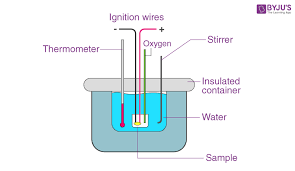
Heat and Temperature : How Energy Moves Between Bodies

CPU vs GPU vs NPU vs TPU : What’s Really Happening Inside Your Smartphone?